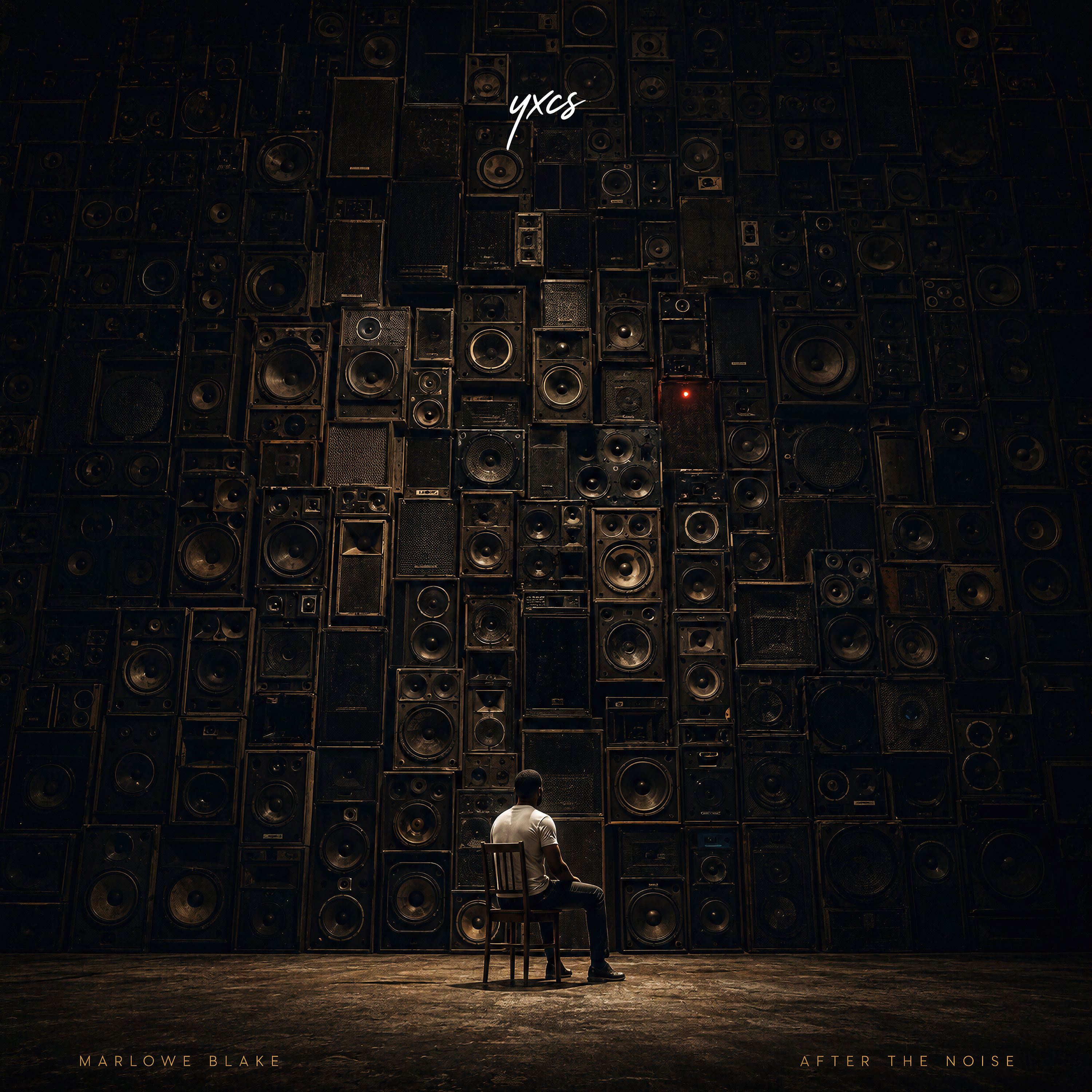
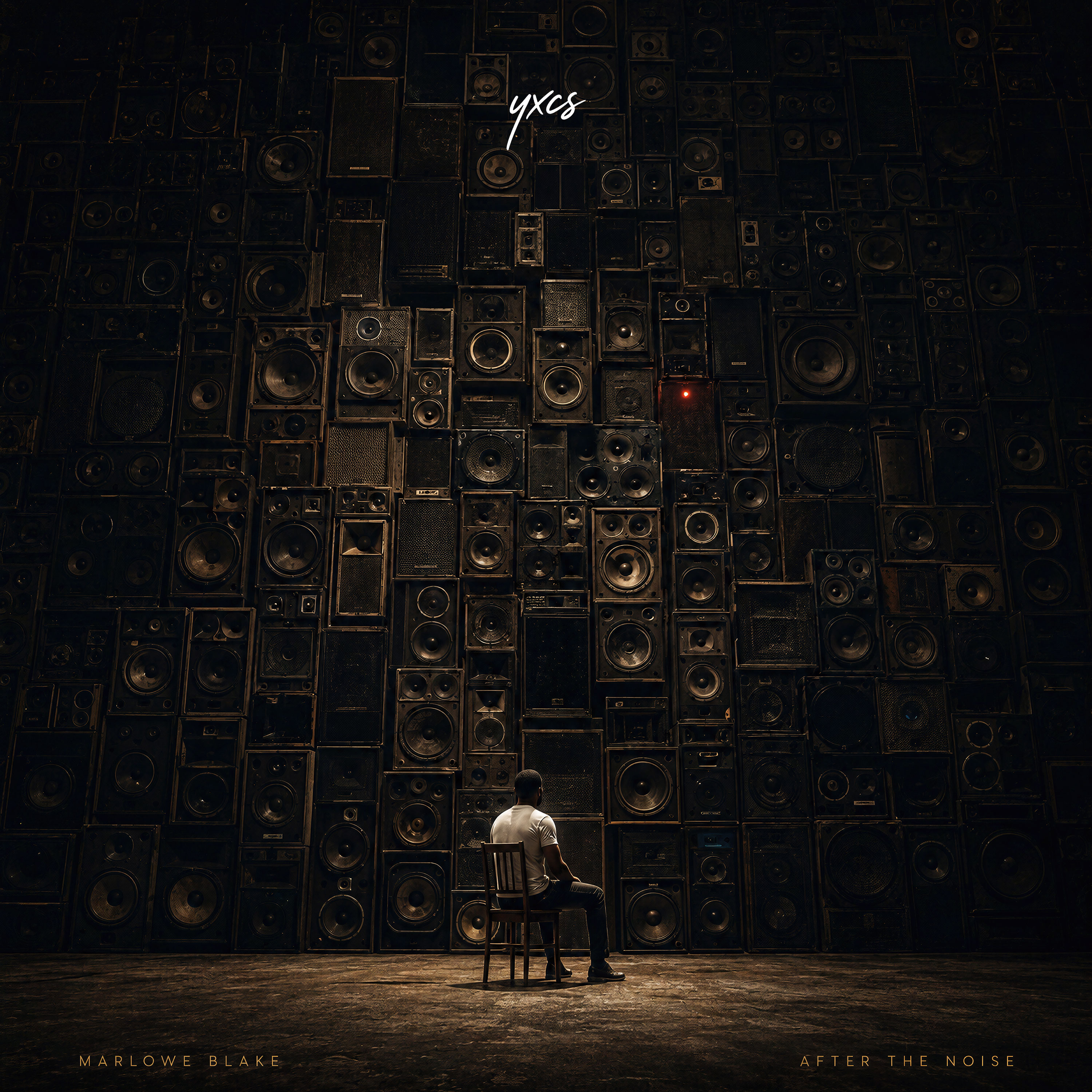
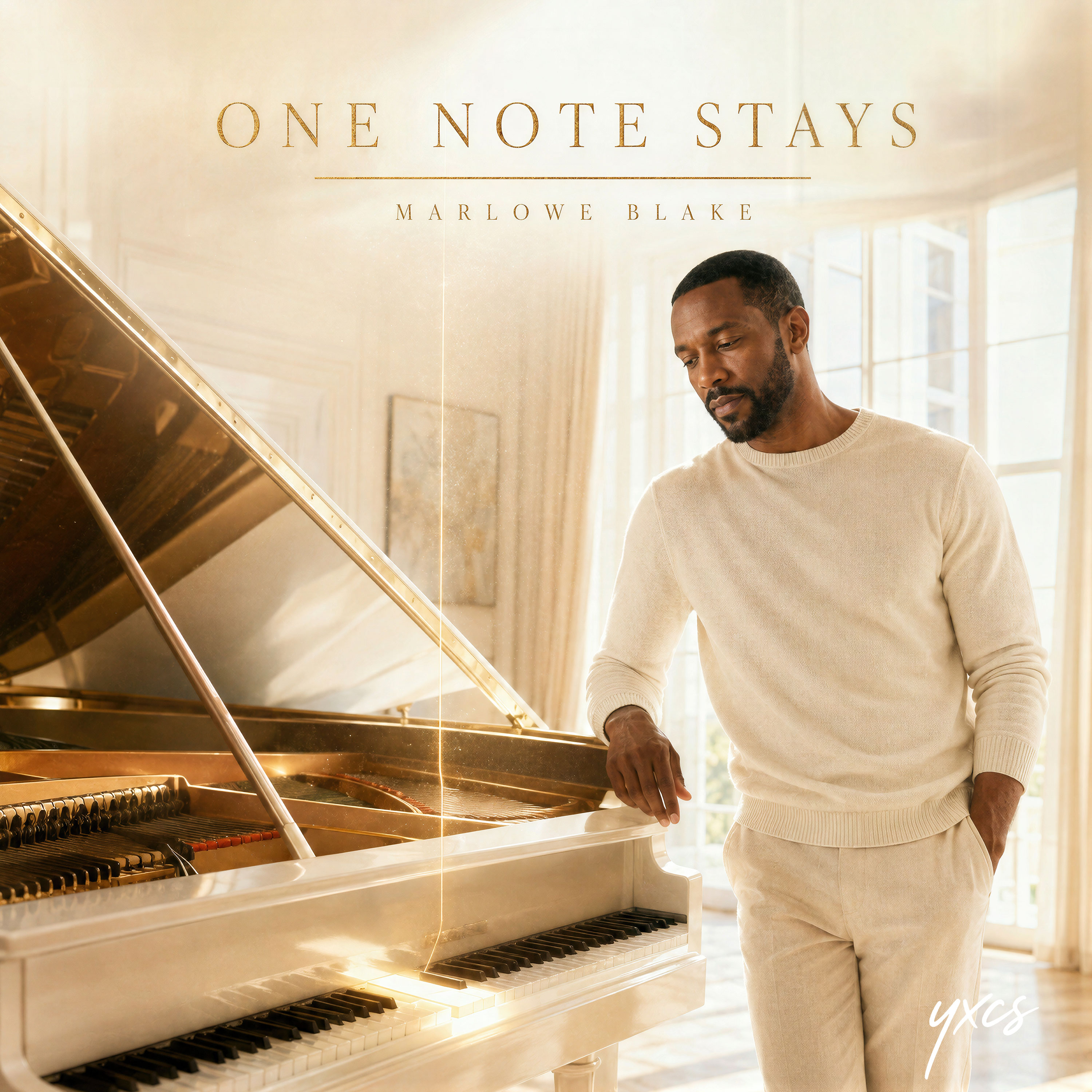
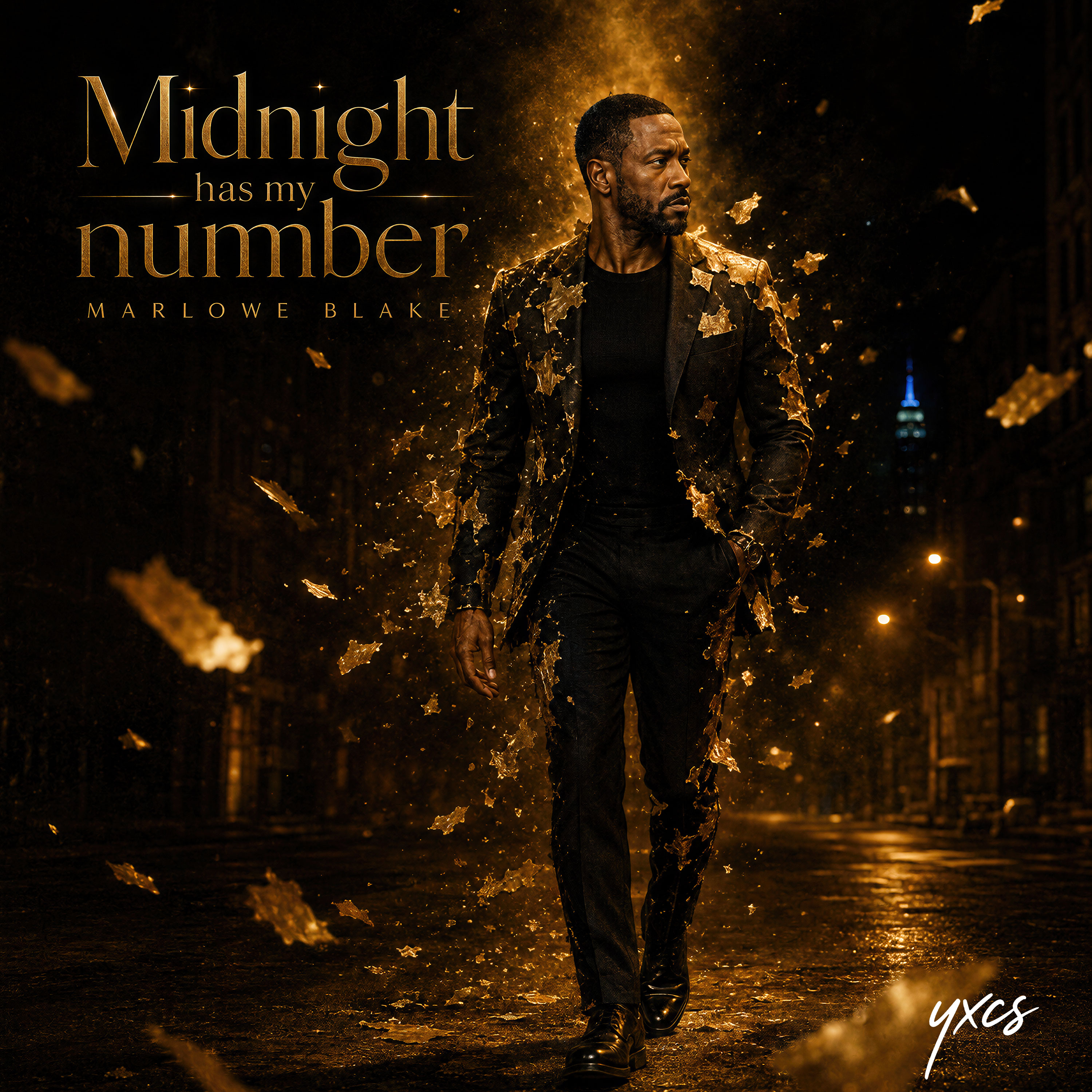
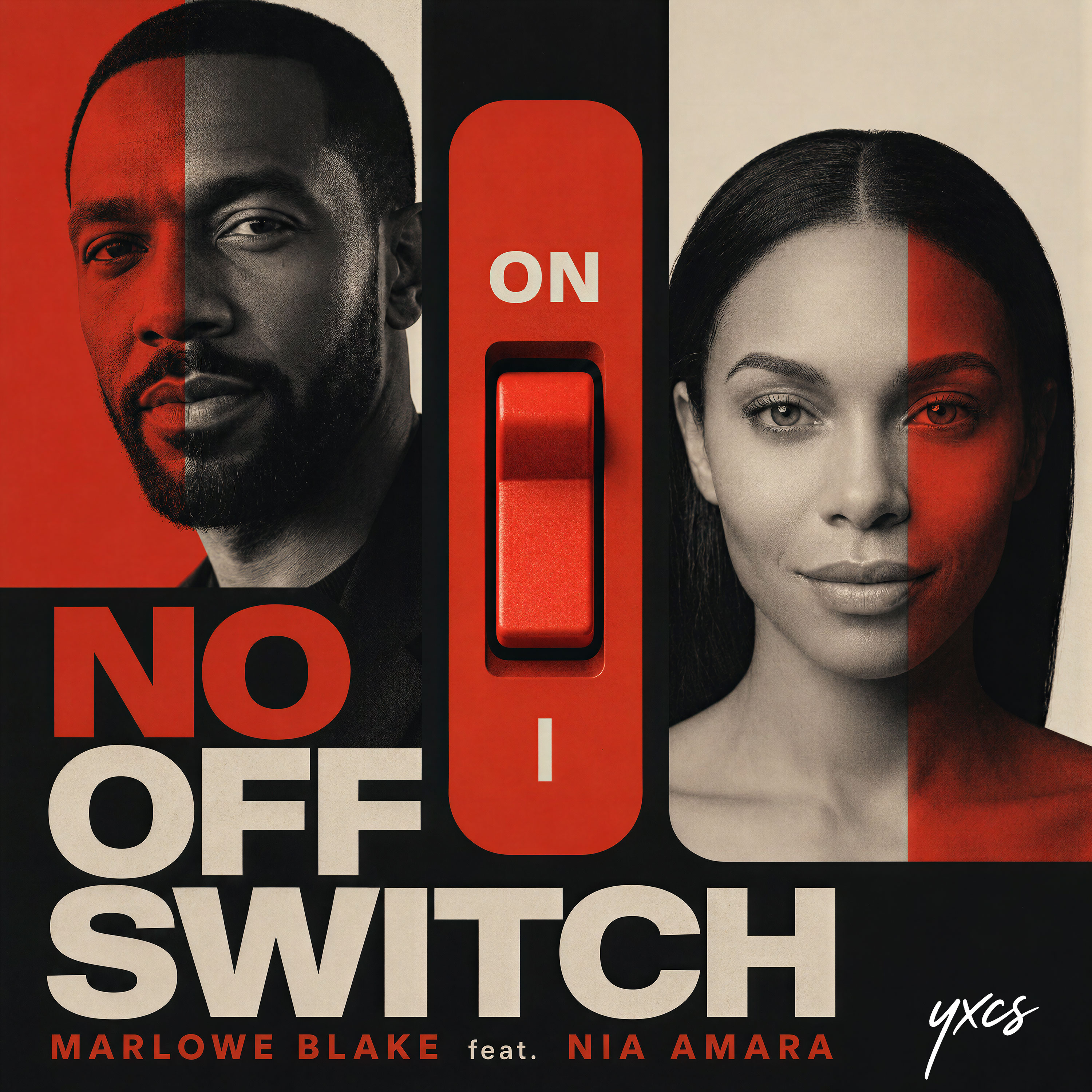
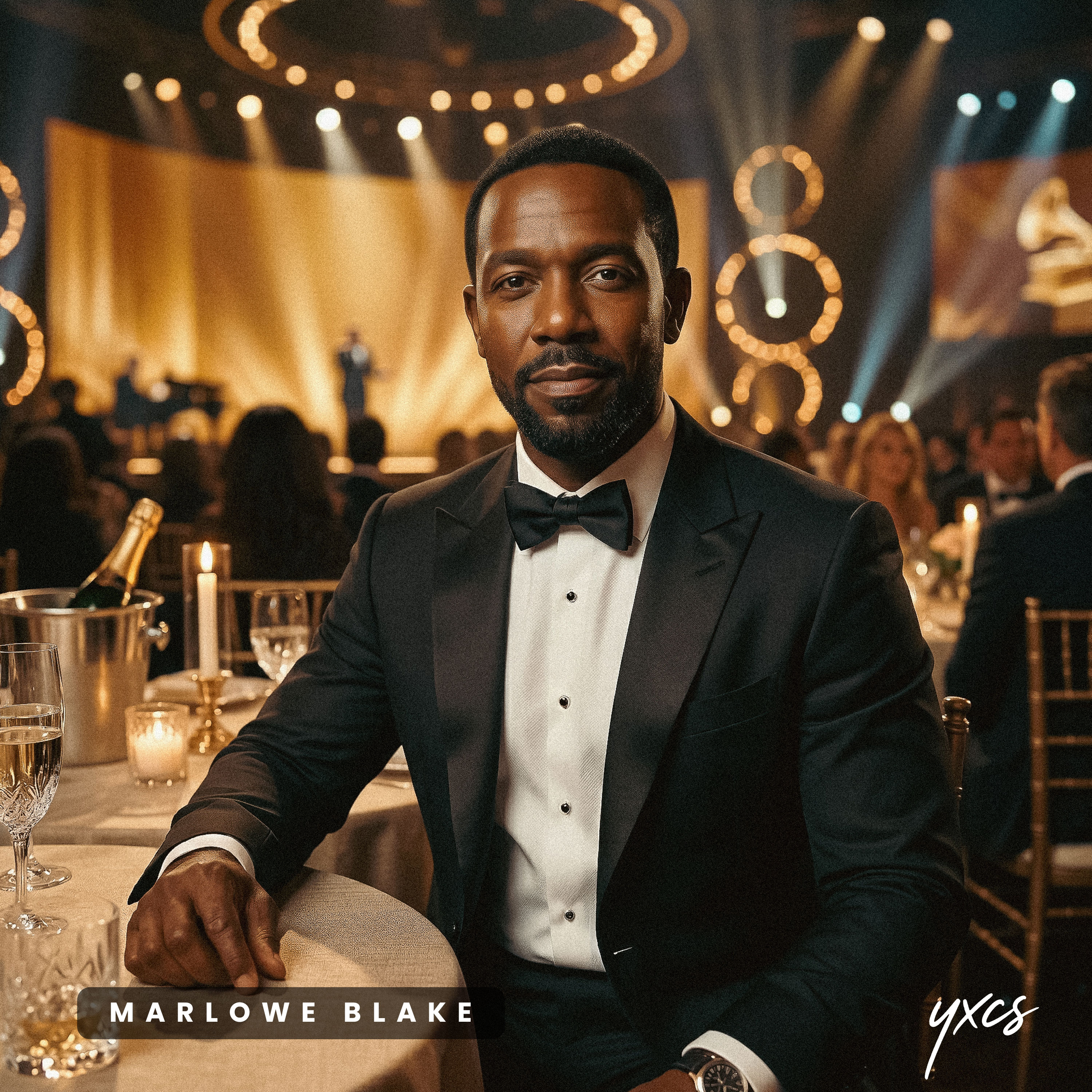
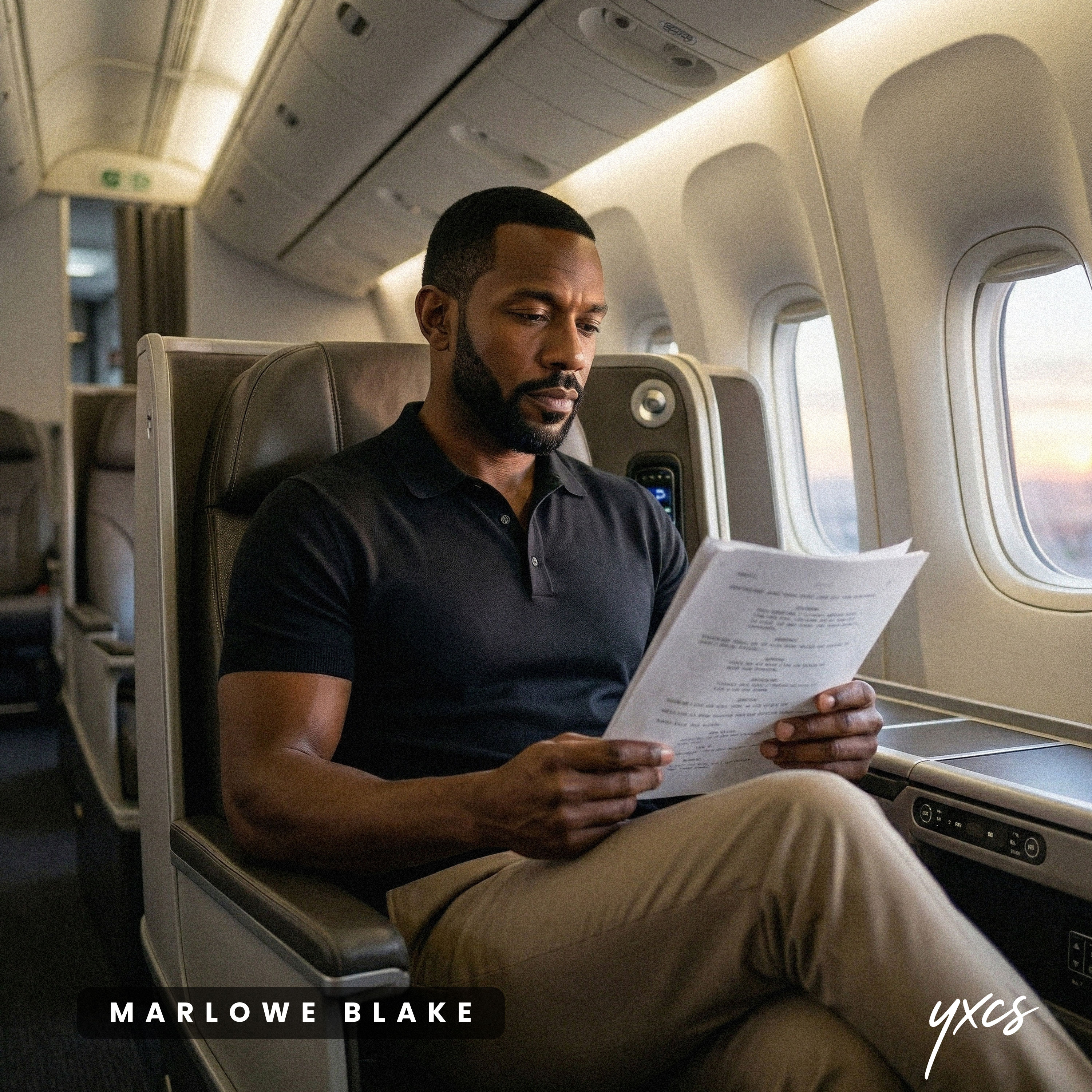
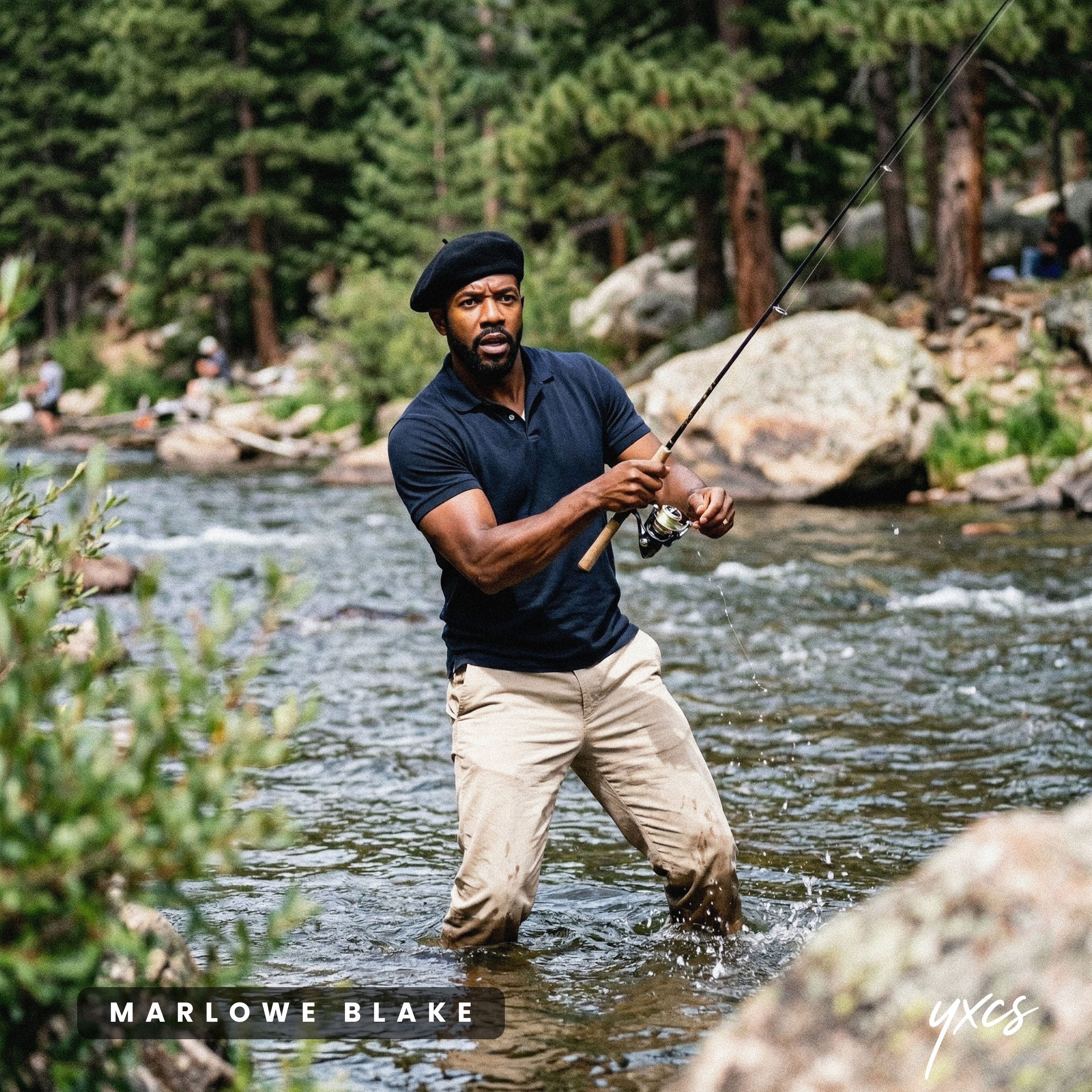
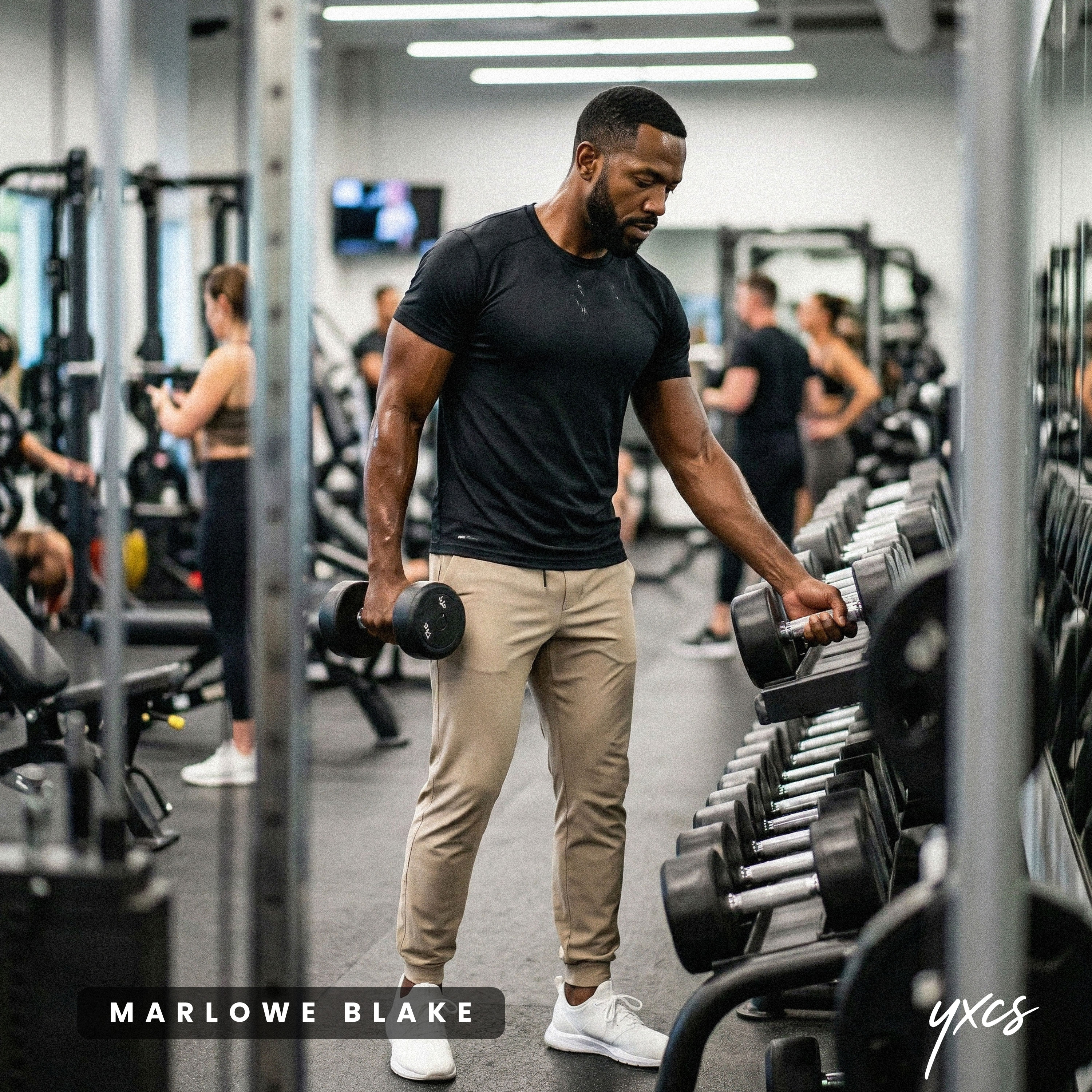
Marlowe Blake was never supposed to be a voice people remembered. He grew up in South Los Angeles, surrounded by noise — traffic, sirens, conversations that never really ended. But inside that chaos, there was always something else: music. Not the loud kind. The kind that stayed low. Close. Personal. As a kid, he didn't sing — he listened. Old vinyl records spinning late at night. Orchestras. Soul. Voices that didn't need to shout to be heard. Then one night, almost by accident, he recorded his voice. No performance. No effort. Just a take. What came out wasn't just a voice — it was a presence. Slow. Heavy. Intimate. The kind that doesn't ask for attention. It takes it.
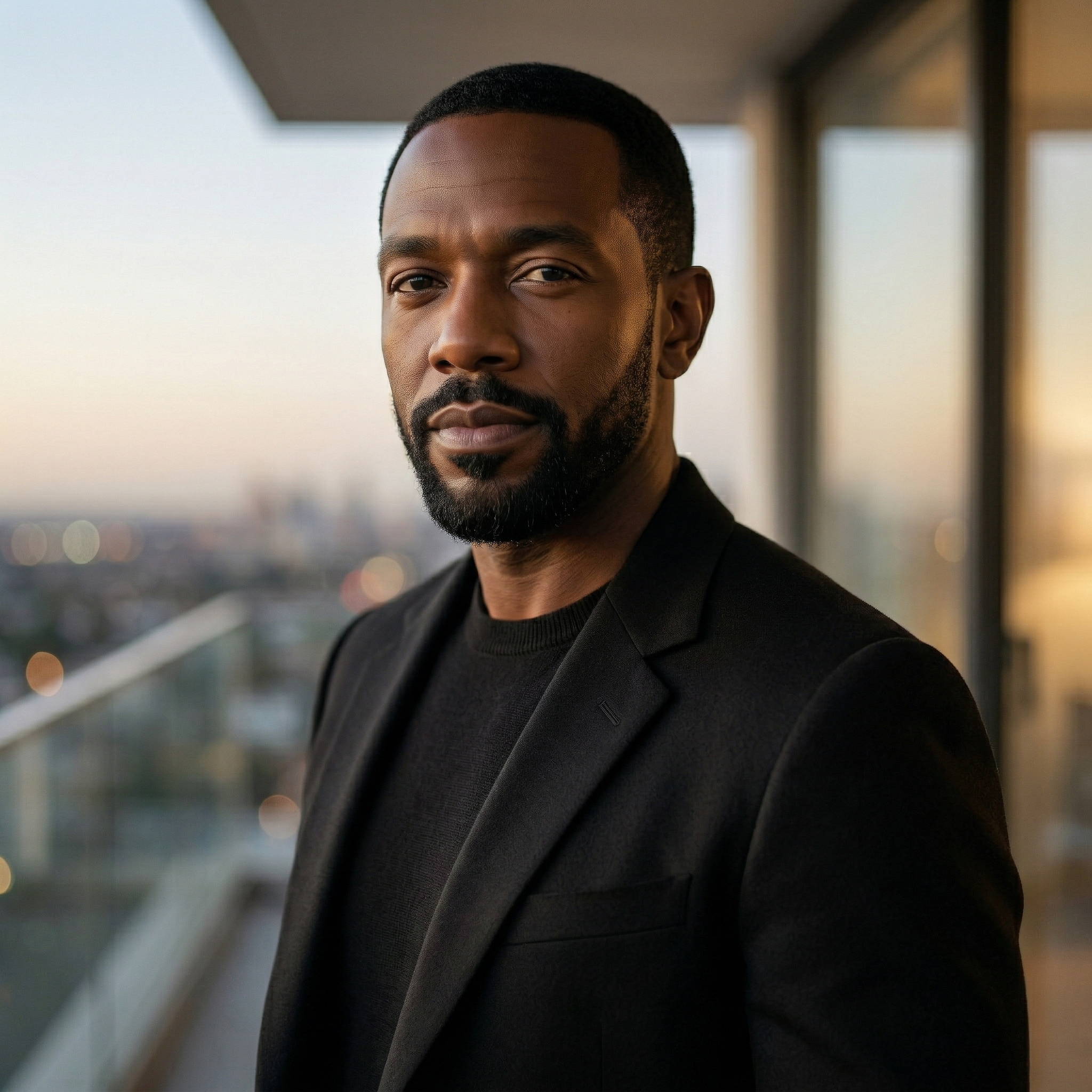
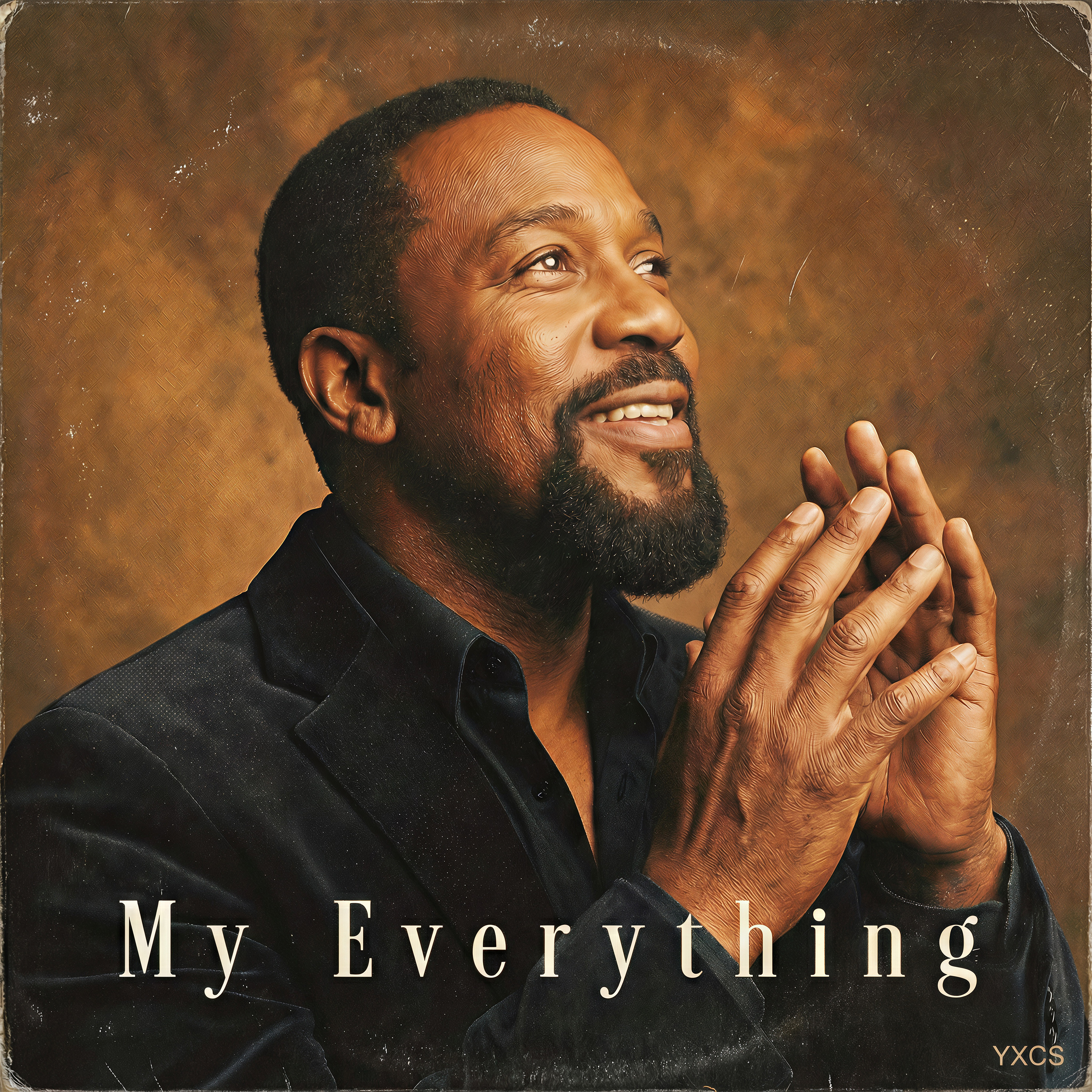
As a kid, he didn't sing. He listened. Old vinyl records spinning late at night. Orchestras. Soul. Voices that didn't need to shout to be heard.
By his early teens, he had already developed an unusual presence — not through words, but through silence. When he spoke, people stopped. Not because he was loud, but because of how deep it felt.
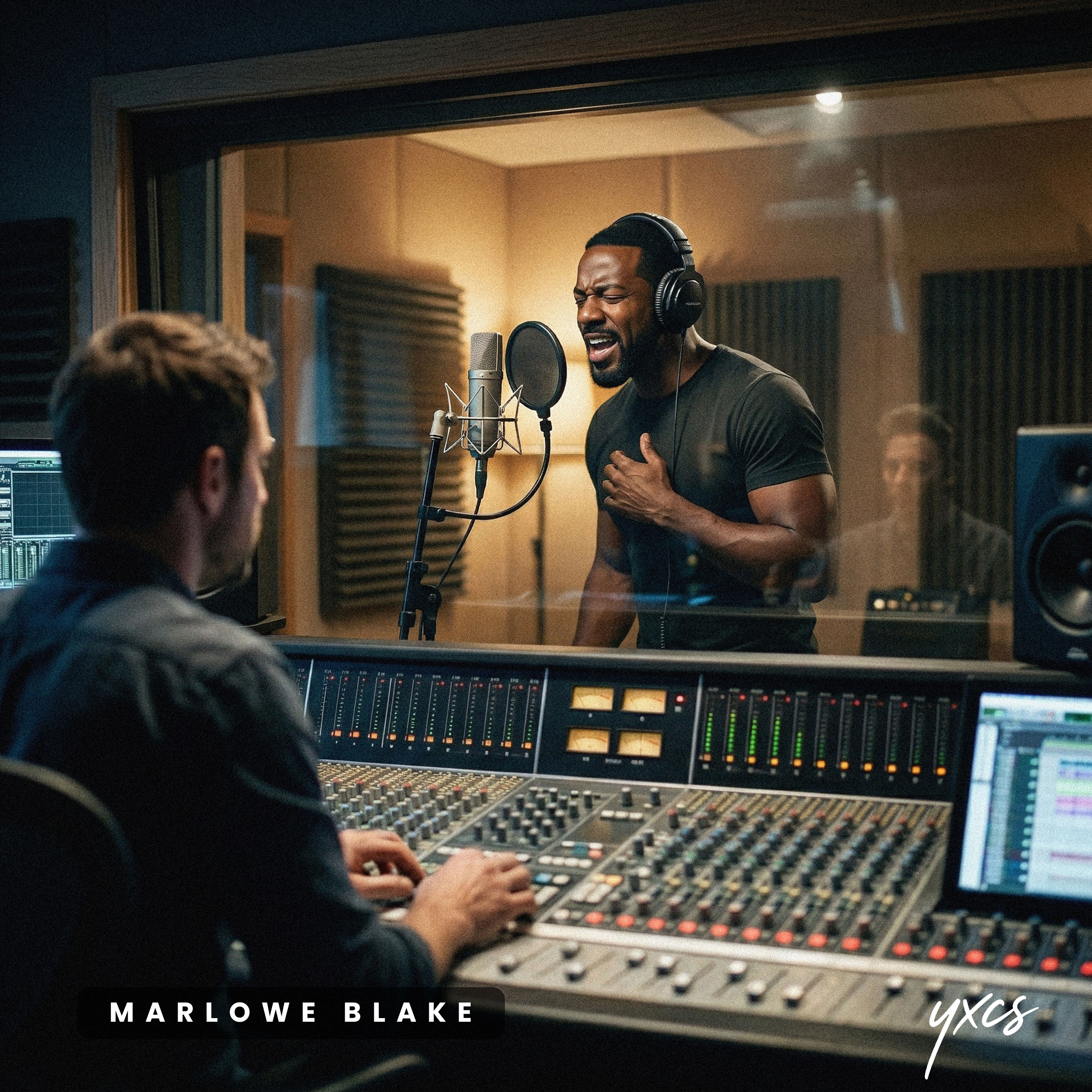
Everything changed the first time he stepped into a studio. Not as a singer. As a creator. He started behind the scenes — arranging, producing, shaping sound. Learning how emotion is built, layer by layer. Strings. Rhythm. Space.
And then one night, almost by accident, he recorded his voice. No performance. No effort. Just a take. That was enough. What came out wasn't just a voice. It was a presence. Slow. Heavy. Intimate. The kind of voice that doesn't ask for attention — it takes it.
From that moment, Marlowe Blake wasn't just making music anymore. He was defining a sound. His tracks became something else entirely: not songs, but moments. Late-night conversations. Unspoken tension. The weight of something about to happen.